
Seeking somewhere to cool down during heatwaves
On a scorching summer day, a patch of shade, a place to sit and a glass of water can make all the difference. But as heatwaves become more intense, how can cities offer more spaces to cool down?
I’m Michela Fancello, a European Climate Pact Ambassador for Italy and a partner at EETRA, a sustainability consultancy. As an architect and urban planner, I’ve always been interested in making public spaces more accessible, welcoming and inclusive.

But as temperatures have risen, I’ve seen how even simple activities – going for a walk, reading outside or visiting a museum – can become difficult during a heatwave. I wanted to find a practical way to help make everyday life easier for people, especially in urban areas.
Together with a museum in Nuoro, we’ve been exploring how cultural spaces can help communities adapt to rising temperatures.
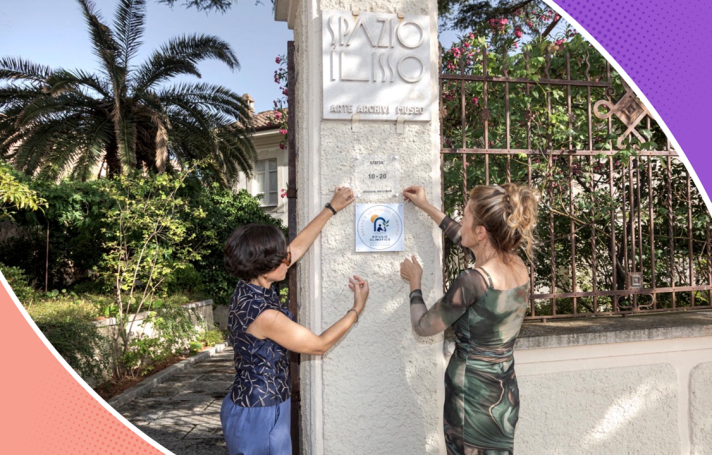
On 15 July 2026, the EU Day for the Victims of the Global Climate Crisis, we launched Sardinia’s first museum-based climate shelter at Spazio Ilisso. The idea was simple: to show how a museum could help people cope with extreme heat, while also creating opportunities to learn about climate change and discuss how communities can respond. We hoped it could also be the first step towards a wider network of climate shelters across Sardinia.
Bringing climate shelters to the community
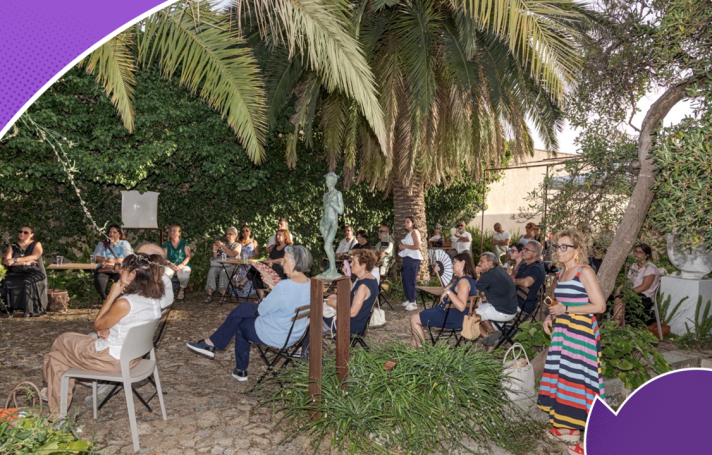
The launch took place during a heatwave, giving visitors a chance to experience how the museum’s gardens could offer a shaded space to sit, drink water and take a break from the heat. More than 70 people registered for the event, and others joined on the day.
But our ambition went beyond offering a single place to cool down. We wanted to encourage a wider conversation about how existing public spaces could help communities adapt to rising temperatures.
The event brought together experts, researchers, artists and members of the community to explore this idea. Fellow Climate Pact Ambassador Isabel De Maurissens joined the discussion to present PAESC School, an initiative exploring how schools can also serve as climate shelters.
Newspapers, magazines, television and radio coverage helped us share the message beyond Nuoro.
More than a museum
Spazio Ilisso’s two gardens offer something particularly valuable during heatwaves: a free place to sit in the shade, drink water and rest. They were already open to the public before the climate shelter launched, and remain accessible throughout the year, apart from the museum’s weekly closing day.
Visitors can also enjoy the sculptures, use free Wi-Fi and browse a collection of books.
“On a scorching summer day, a patch of shade, a place to sit and a glass of water can make all the difference.”
Michela Fancello, European Climate Pact Ambassador
But becoming a climate shelter brought new ways for people to use and learn from the space. During August 2026, Spazio Ilisso offered free entry to its exhibition during the hottest part of the day through an initiative called ‘The hottest hour’.
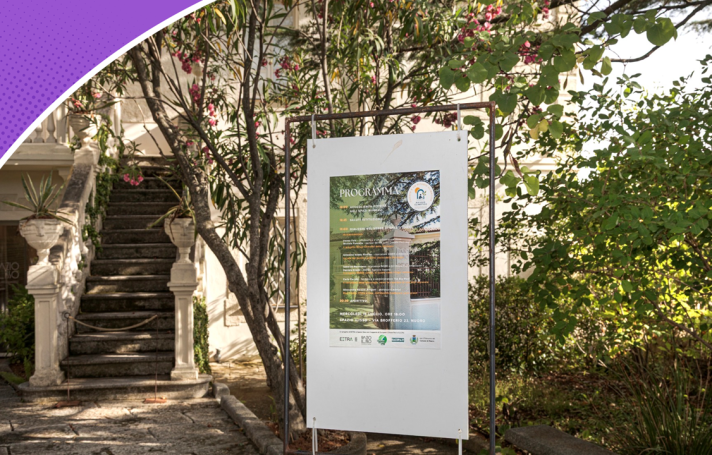
Visitors could listen to ‘Five minutes of shade’, a series of free audio recordings introduced in August and accessible through QR codes in the gardens. These share information about climate change, practical tips and ways we can respond together. Information about the climate shelter was also added around the gardens.
Since the launch, the museum has continued bringing climate-related themes into its activities. These have included wellbeing events in September, discussions about women’s entrepreneurship and climate in October, and creative workshops with children and schools using circular craft techniques in November.
By combining a welcoming space with opportunities to learn about climate change, Spazio Ilisso shows how cultural venues can help communities adapt to rising temperatures.
Growing a climate shelter network across Sardinia
We're now working to bring the climate shelter concept to more places across Sardinia, starting with cultural spaces such as museums, libraries and archives.
We’ve begun reaching out to organisations and local institutions to explore who might want to join. A survey is helping us understand which spaces already offer features such as shade, drinking water, seating and free public access.
We’re also looking at funding opportunities and ways to keep the initiative going over time.
“With Spazio Ilisso, we’re showing how museums and other cultural venues can become part of the response to climate change.”
Michela Fancello, European Climate Pact Ambassador
A small change with a human purpose
Climate adaptation is not only about major projects. It can also mean recognising what the places around us could offer people when they need support.
The wider network is still taking shape, but Spazio Ilisso shows how an existing cultural space can serve a new purpose – offering refuge from the heat while helping people learn about climate change.
Now we want to help more places across Sardinia do the same, so more people have somewhere welcoming to turn when the heat becomes too much.